Reasons to Learn How to Scuba Dive: Unlock a World Beneath the Waves
Scuba diving is an exhilarating activity that offers an opportunity to explore the underwater world, develop new skills, and even improve your health and well-being. Whether you’re seeking adventure or simply looking to try something new, learning how to scuba dive comes with numerous benefits. In this post, we’ll explore the top reasons why you should consider taking the plunge.
1. Discover a New World
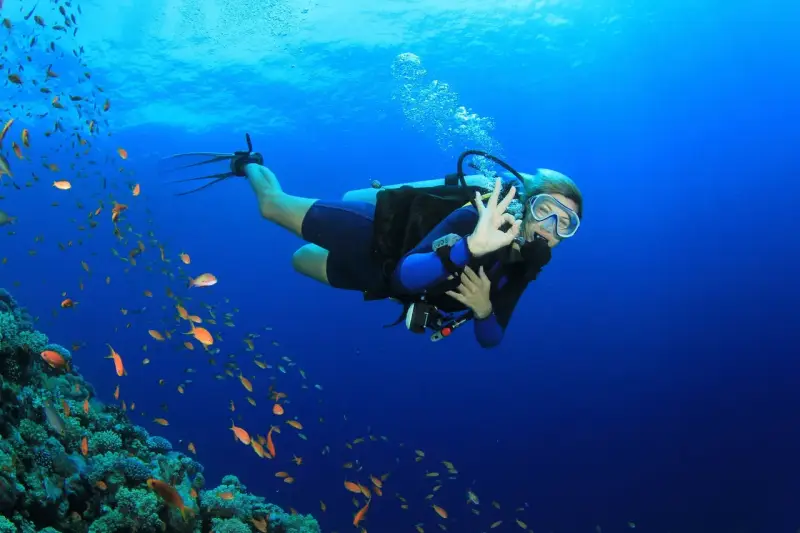
One of the most compelling reasons to learn to scuba dive is the opportunity to explore the vast, unexplored world beneath the ocean’s surface. With 70% of the Earth covered by water, there’s an entire ecosystem waiting to be discovered—filled with vibrant coral reefs, exotic marine life, and sunken shipwrecks. Scuba diving opens the door to these underwater environments, offering a unique perspective of our planet that few get to experience.
2. Get Closer to Nature
Scuba diving allows you to observe marine creatures in their natural habitat. Whether you’re swimming alongside sea turtles, witnessing the graceful movements of stingrays, or admiring the colorful schools of fish, diving offers an unparalleled chance to connect with nature in a way that is both peaceful and awe-inspiring. For nature lovers and environmentalists, diving also fosters a deeper understanding of marine ecosystems and the importance of protecting them.
3. Improve Your Physical Health
Scuba diving is more than just a mental escape—it’s also great for your physical health. The activity requires you to move against the resistance of water, which helps build strength and endurance. The pressure of the water also increases blood circulation, which can have a positive impact on cardiovascular health. Plus, the deep breathing required for diving helps improve lung capacity and oxygen efficiency, leading to better overall respiratory health.
4. Learn Valuable Skills
Scuba diving is a skill that requires careful training, which makes it an intellectually stimulating activity. In a certified course, you’ll learn about the principles of diving, how to use diving equipment, and how to stay safe in the water. You’ll also acquire essential skills in communication, problem-solving, and teamwork, especially if you dive with a buddy. Whether for personal growth or professional development, these skills can translate into other areas of life as well.
5. Explore the World’s Best Dive Destinations
For those who love to travel, learning to scuba dive opens up a whole new world of destinations. From the Great Barrier Reef in Australia to the crystal-clear waters of the Maldives, many of the world’s most iconic tourist locations are prime diving spots. Diving enthusiasts can explore shipwrecks, vibrant coral reefs, and underwater caves while enjoying beautiful and remote locations that are often off the beaten path.
6. Boost Your Mental Well-Being
The serene and quiet nature of scuba diving offers a break from the stress of daily life. Underwater, it’s just you and the surrounding world—no phone calls, emails, or distractions. This sense of tranquility can be incredibly meditative, helping to reduce anxiety and stress. Moreover, scuba diving has been shown to enhance mindfulness, as divers must focus on their breathing, movement, and the underwater environment.
7. It’s an Inclusive Activity
Scuba diving is an inclusive sport that can be enjoyed by people of various ages, backgrounds, and fitness levels. Whether you’re a seasoned athlete or someone just looking to try something new, there are diving opportunities for everyone. In fact, many dive schools offer courses specifically for beginners, making it easy for newcomers to learn at their own pace in a safe environment. Additionally, adaptive diving programs allow individuals with physical disabilities to experience the joys of scuba diving.
8. Build Confidence
Becoming a certified diver requires both practice and preparation. The process of completing your training, mastering essential skills, and diving in open water builds confidence—not only in your abilities as a diver but also in yourself. As you continue to gain experience, you'll push your limits, overcome challenges, and feel a sense of accomplishment with every dive.
9. Contribute to Marine Conservation
Many divers are passionate about protecting the oceans, and learning how to scuba dive can be a powerful way to contribute to marine conservation efforts. By gaining firsthand knowledge of the fragility of marine ecosystems, divers are often motivated to take action—whether it’s participating in coral restoration projects, supporting marine protected areas, or promoting sustainable diving practices. Some organizations even offer conservation-focused diving trips and internships.
Conclusion
Scuba diving is a gateway to an entirely new world, offering adventure, education, and personal growth. It’s a sport that not only helps you stay physically and mentally healthy but also allows you to connect with nature and become an advocate for marine conservation. If you’re looking for a new challenge or simply want to explore the ocean’s mysteries, learning how to scuba dive could be one of the best decisions you ever make.